Seasonal Racoon Activity and When Removal Is Most Effective
Understanding seasonal racoon activity and when removal is most effective helps homeowners connect with local contractors who can safely and efficiently handle racoon removal during peak times.
Understanding seasonal racoon activity and when removal is most effective can help property owners protect their homes and prevent potential damage. Raccoons tend to be most active during specific times of the year, often seeking shelter and food as seasons change. Recognizing these patterns allows property owners to address raccoon presence proactively, reducing the likelihood of infestations or property issues. Local service providers specializing in raccoon removal have the experience to assess seasonal behaviors and implement timely solutions, ensuring that efforts are most effective when raccoons are most likely to be active.
For property owners in the area, exploring this topic is practical for maintaining a safe and secure environment. Knowing when raccoon activity peaks can help determine the best moments for removal or deterrent strategies, saving time and effort in the long run. Connecting with local contractors who understand seasonal trends can lead to more targeted and efficient removal services. Keep reading to discover insights into raccoon behavior throughout the year and how local experts can assist in managing these critters effectively during their most active periods.
- Seasonal racoon activity and when removal is most effective - local contractors often recommend addressing raccoon issues in late summer and early fall when these animals are most active and seeking shelter. Trapping and removal services are typically most successful during these peak activity periods, as local pros can efficiently target raccoons before they settle into den sites. During spring, removal efforts may be less effective due to raccoons raising young, making professional intervention more challenging. Fall services are in high demand as raccoons prepare for winter, prompting local experts to implement preventative measures. Understanding seasonal patterns helps local service providers determine the optimal timing for raccoon removal and prevention strategies.
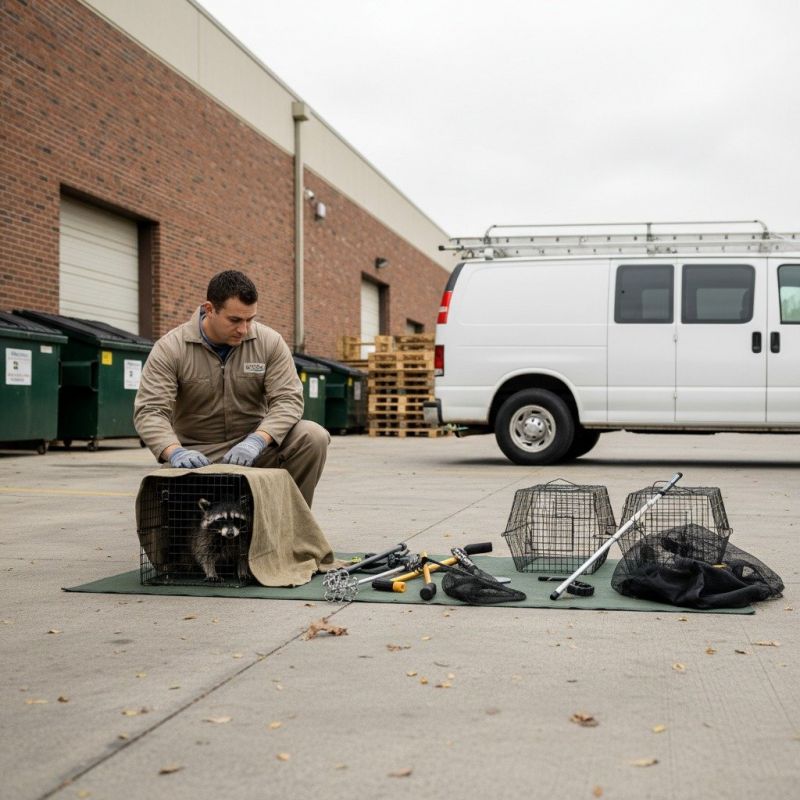

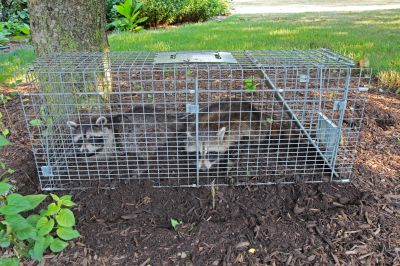
Seasonal raccoon activity and when removal is most effective are common topics for homeowners dealing with nuisance wildlife. Many people searching this topic are concerned about raccoons becoming active during specific times of the year, especially when they start to forage, build nests, or seek shelter. They often want to understand the patterns of raccoon behavior throughout the seasons so they can better plan for removal or prevention efforts. This knowledge helps homeowners anticipate when raccoons are most likely to invade attics, crawl spaces, or yards, and it informs the timing of professional removal services to ensure the problem is addressed before it worsens.
The problems associated with seasonal raccoon activity often involve property damage, health concerns, and unwanted wildlife presence. Raccoons are known to rummage through trash, tear apart insulation, and make dens in attics or crawl spaces. Homeowners may also worry about raccoons bringing in parasites or diseases, which can pose risks to family members or pets. Many plans to deal with raccoons include installing barriers, securing entry points, or scheduling professional removal during peak activity periods. Understanding when raccoons are most active helps residents decide the right time to seek help from local contractors experienced in wildlife exclusion and removal.
Properties frequently affected by seasonal raccoon activity include residential homes, especially those with accessible attics, chimneys, or vent openings. Commercial buildings, barns, and outbuildings can also become targets if they provide easy access or shelter. Urban and suburban neighborhoods tend to see increased raccoon activity during certain seasons, particularly when food sources become abundant or natural dens are disturbed. Homeowners with trees close to the house or with poorly secured trash containers are more likely to experience raccoon encounters, making it essential to address vulnerabilities before activity peaks.
Timing is crucial when it comes to effective raccoon removal, as local service providers can better plan their efforts during periods of high activity. Typically, late spring and early summer see increased raccoon movement as they search for nesting sites and food sources. Fall can also bring heightened activity as raccoons prepare for winter by gathering food and securing shelter. Engaging local pros during these times ensures that removal and exclusion measures are implemented before raccoons establish permanent dens or cause significant property damage. Proper timing not only makes the removal process more efficient but also helps prevent future infestations by addressing potential entry points early in the season.
Wildlife Exclusion Projects - These projects involve installing barriers and entry point closures, skills that are essential for effective raccoon removal during peak activity seasons.
Home Inspection Services - Professionals assess property vulnerabilities that raccoons exploit, helping to determine the best timing for removal efforts based on seasonal activity patterns.
Attic and Roof Damage Repairs - Repairing damage caused by raccoons requires knowledge of animal behavior and entry prevention, which aligns with planning for seasonal activity peaks.
Animal Control Solutions - Local contractors specializing in humane animal removal utilize similar planning and trapping techniques relevant to managing raccoon activity during specific seasons.
Pest and Rodent Control - These services often overlap with raccoon removal, especially when managing seasonal increases in wildlife activity around homes and structures.
Habitat Modification Projects - Modifying landscaping and yard features to deter raccoons involves planning that complements seasonal activity trends and removal timing strategies.
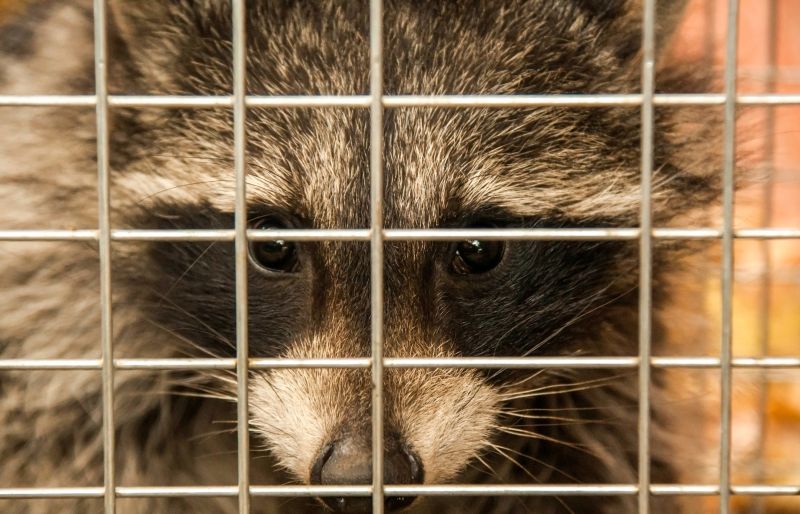
When evaluating service providers for seasonal racoon activity and when removal is most effective, it is important to consider their experience with similar projects. Homeowners should seek out local contractors who have a proven track record in handling racoon-related issues, especially those that occur during specific seasons when raccoon activity tends to increase. An experienced provider will understand the behavioral patterns of raccoons and can tailor their approach to ensure the most effective removal strategies are employed during the peak times of activity, reducing the likelihood of repeat visits.
Clear written expectations are essential when comparing local contractors for seasonal racoon removal services. Homeowners should look for providers who can articulate their process, the scope of work, and the methods they use to address raccoon activity during different seasons. Having detailed, written explanations helps ensure that both parties share a common understanding of what the service entails, what is included, and any follow-up measures that might be necessary. This transparency can help prevent misunderstandings and provide confidence that the chosen contractor aligns with the homeowner’s needs.
Reputable references and good communication are key factors in selecting the right service provider. Homeowners are encouraged to ask for references or reviews from previous clients who experienced similar raccoon issues during seasonal peaks. Reliable contractors will be willing to share these references and demonstrate a history of successful, professional work. Additionally, clear and open communication throughout the process ensures that homeowners stay informed about the progress, any unexpected challenges, and the timing of removal efforts. This level of engagement can contribute to a smoother experience and better results when managing seasonal raccoon activity.
Property owners often search for seasonal racoon activity and when removal is most effective when they are planning practical projects around their homes and businesses. Local pros provide Seasonal Racoon Removal services for everyday jobs and straightforward project options.


Seasonal raccoon activity tends to increase during specific times of the year, particularly in the spring and early summer when raccoons are more active in searching for food and nesting sites. Property owners noticing signs like burrows, damage to trash containers, or tracks might wonder when removal efforts will be most effective. Engaging with local contractors during these peak activity periods can help ensure that raccoons are managed before they establish permanent nests or cause significant property damage.
Timing is also important for effective raccoon removal, as late fall and early winter often see a decrease in raccoon activity as they prepare for hibernation or become less active in colder weather. Property owners seeking to address raccoon issues at the right time can benefit from the expertise of local service providers who understand seasonal patterns. Connecting with experienced contractors during these periods can improve the chances of successful removal and prevent future problems.
When is raccoon activity highest during the year? Raccoon activity tends to increase during spring and early summer, making these seasons ideal for removal services to address active populations.
Why is seasonal timing important for raccoon removal? Timing removal services during peak raccoon activity can prevent property damage and reduce the likelihood of raccoons establishing nests or entering structures.
When is the most effective time to remove raccoons? The most effective time for raccoon removal is typically during late winter or early spring, before babies are born and when raccoon activity begins to rise.
How does raccoon behavior change throughout the seasons? Raccoons are more active during warmer months, especially in spring and summer, which can influence the timing and approach of removal services.
Can local contractors handle raccoon removal during specific seasons? Yes, local service providers can tailor raccoon removal efforts to seasonal patterns to ensure the most effective and humane removal possible.
Monitor racoon activity patterns - observing seasonal changes can help property owners determine the best times to schedule removal services with local contractors.
Schedule removals during breeding seasons - working with local pros during raccoons’ breeding periods can prevent large populations from establishing on the property.
Identify entry points before peak activity - early detection of raccoon access points allows for timely removal and exclusion work by local service providers.
Plan for off-peak seasons - engaging local pros in less active times can make future removals easier and more effective by reducing raccoon presence.
If you are thinking about seasonal racoon activity and when removal is most effective for a property, this guide is meant to help you understand this topic, the typical project types, and how different options might fit your plans.
When you are ready, you can use the quote form on this page to share a few details about your project. From there, local pros can review the basics and follow up with options that match what you have in mind.