Common Entry Points Raccoons Use to Access Buildings
People seeking raccoon removal often want to block common entry points raccoons use to access buildings, and local contractors can help identify and seal these access areas effectively.
If you’ve been researching how raccoons gain entry into buildings, you’re in the right place. Understanding the common entry points raccoons use can help property owners identify vulnerabilities before these clever creatures find their way inside. Whether it’s a small gap around a vent, an open chimney, or damaged soffits, recognizing these potential access points is a practical step toward protecting your property. Many local contractors specialize in raccoon removal and can assess your building’s structure to pinpoint these entry spots, ensuring that your property remains secure.
Exploring the typical ways raccoons access buildings is essential for effective prevention and removal efforts. By identifying and sealing off these entry points, property owners can reduce the likelihood of unwanted raccoon visits. Experienced service providers in the area are equipped to handle these issues, offering solutions that address both the immediate concern and help prevent future intrusions. Keep reading to learn more about common raccoon entry points and how local experts can assist in safeguarding your property from these resourceful animals.
- Attic Vents and Exhaust Openings - homeowners noticing raccoons inside their attics may need local contractors to secure or seal vents and exhaust openings to prevent entry.
- Foundation and Basement Gaps - when raccoons are found burrowing or gaining access near foundations, local pros can identify and seal gaps or cracks.
- Roof Eaves and Overhangs - if raccoons are climbing or nesting in roof eaves, service providers can install barriers or blockages to restrict access points.
- Chimney and Flue Openings - signs of raccoons in chimneys require local specialists to install chimney caps or seal openings safely.
- Broken or Missing Roof Shingles - damaged roofing can serve as entry points, and local contractors can repair or reinforce roofing to keep raccoons out.
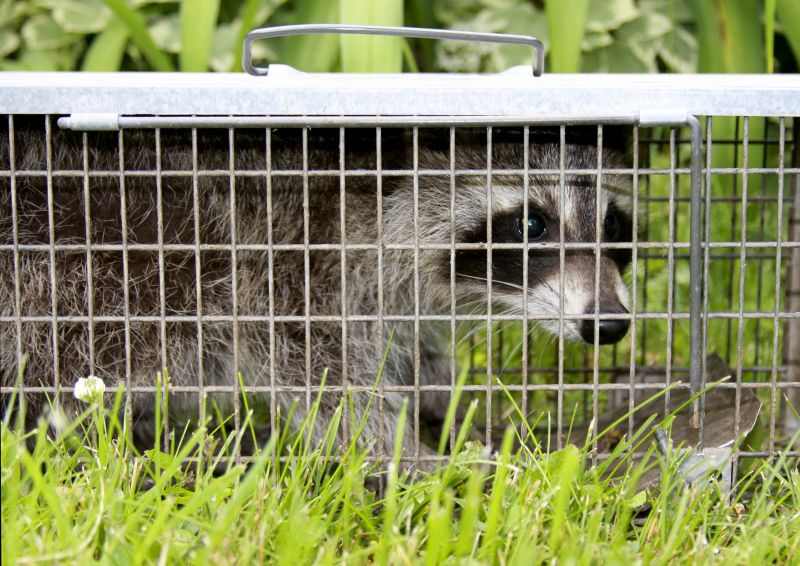
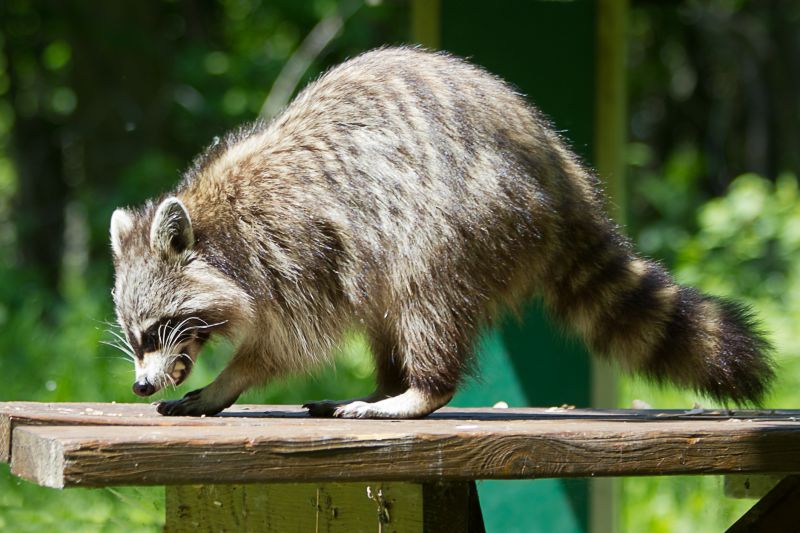
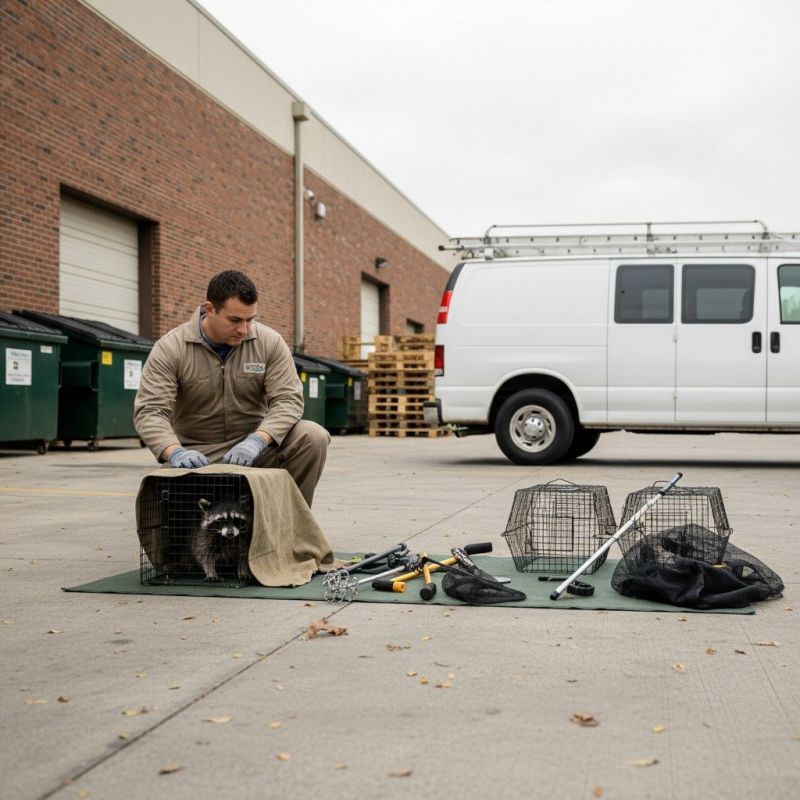
When people search for information about common entry points raccoons use to access buildings, they are often trying to understand how these animals manage to get inside their properties. Raccoons are highly resourceful and skilled at finding ways into homes, garages, attics, and other structures, especially when they are seeking shelter or food. Homeowners may notice signs of raccoon activity, such as strange noises, damage to roofing or siding, or the presence of debris near entry points. This search typically relates to concerns about raccoon infestations, property damage, or the need to prevent future entries by identifying and sealing potential access points.
These entry points are closely connected to the types of problems property owners face when raccoons infiltrate their buildings. Raccoons can cause significant damage by tearing apart insulation, wiring, or vents, which may lead to costly repairs or even safety hazards. In addition, raccoons can carry parasites or diseases that pose health risks to residents. Many property owners plan to remove raccoons and then take steps to block or repair the openings that allowed entry in the first place. Local contractors who specialize in raccoon removal often provide services that include both humane eviction and sealing of entry points to prevent re-entry.
The types of properties most commonly affected by raccoon entry points include residential homes, especially those with accessible attics, garages, or basements. Commercial buildings, such as warehouses or storage facilities, can also be targets if they have openings or structural vulnerabilities. Structures with damaged or poorly maintained roofing, ventilation systems, or foundation vents are particularly susceptible. Raccoons tend to exploit small gaps, loose boards, or unsealed openings around chimneys, vents, or utility penetrations. Recognizing these vulnerable areas helps property owners understand where raccoons are likely to gain access and how local service providers can assist in addressing these issues.
Understanding common entry points raccoons use to access buildings connects directly to practical property management and pest control efforts. Homeowners and property managers often seek the help of local pros to assess their buildings for potential vulnerabilities, especially after noticing raccoon activity. These professionals can identify hidden or overlooked entry points, recommend appropriate repairs, and implement exclusion methods that are humane and effective. By working with experienced service providers, property owners can protect their buildings from future raccoon intrusions, reduce damage, and maintain a safe environment.
Home Inspection Projects - professionals who conduct thorough building inspections can identify common entry points raccoons use to access buildings, helping homeowners address vulnerabilities.
Structural Repair Projects - contractors experienced in sealing and repairing building openings can help eliminate entry points raccoons exploit, preventing future intrusions.
Gutter and Roof Maintenance - service providers specializing in gutter cleaning and roof repairs can address potential access points created by damaged or unsealed areas.
Building Sealing and Weatherproofing - local contractors skilled in sealing gaps and cracks can block raccoon entry points, safeguarding buildings from unwanted wildlife access.
Pest Proofing Services - experts in wildlife exclusion can identify and secure common raccoon entry points to prevent animals from entering structures.
Wildlife Exclusion Projects - specialists who focus on humane exclusion methods can help seal off entry points raccoons use, ensuring effective and ethical removal.
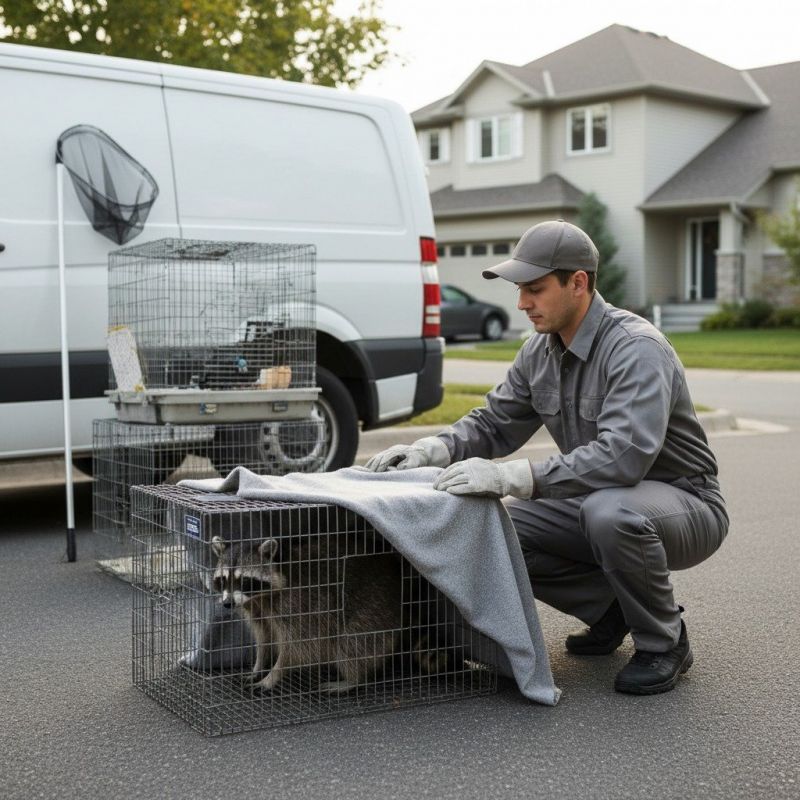
When evaluating service providers for raccoon removal, it is important to consider their experience with similar projects, particularly those involving common entry points raccoons use to access buildings. A contractor with a proven track record in handling raccoon intrusions will likely be familiar with the typical access points such as roof vents, chimneys, soffit vents, and gaps around utility lines. This experience can help ensure that the selected professional understands the complexities of raccoon behavior and the most effective methods for sealing these entry points, reducing the risk of future invasions.
Clear written expectations are essential when comparing local contractors. A reputable service provider should outline the scope of work, including identifying all potential entry points, the removal process, and any necessary repairs or exclusions. This documentation helps homeowners understand what will be done and provides a reference to ensure that all aspects of raccoon access are addressed thoroughly. Detailed communication also minimizes misunderstandings and ensures that both parties are aligned on the steps involved in the removal process.
Reputable references and effective communication are key indicators of a trustworthy service provider. When considering different local contractors, it is advisable to inquire about references from previous clients who experienced similar raccoon access issues. Good communication throughout the process allows homeowners to ask questions, receive updates, and feel confident in the contractor’s professionalism and responsiveness. Choosing a service provider who values clear, consistent communication and has a history of successful projects can contribute to a smoother experience in resolving raccoon entry concerns.
Property owners often search for common entry points raccoons use to access buildings when they are planning practical projects around their homes and businesses. Local pros provide Raccoon Removal services for everyday jobs and straightforward project options.

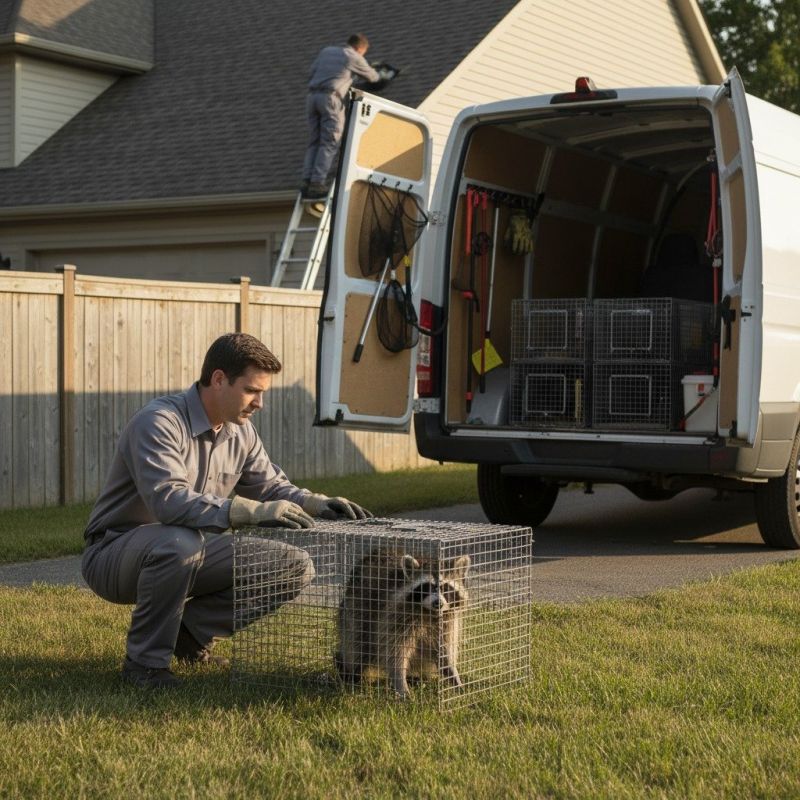
Understanding the common entry points raccoons use to access buildings is essential for property owners dealing with unwanted wildlife encounters. Raccoons are known for their resourcefulness and can exploit small openings around roofs, chimneys, vents, and gaps in siding or fascia. These entry points often develop over time due to weather damage, improper sealing, or structural wear, making it easier for raccoons to slip inside attics, crawl spaces, or wall voids. Recognizing these vulnerabilities can help property owners take proactive steps to secure their buildings and prevent raccoon intrusions.
When raccoons gain access through these entry points, property owners may notice signs such as noises in the attic, damage to roofing materials, or the presence of raccoon droppings. Addressing these issues promptly often involves working with local contractors who specialize in raccoon removal services. These service providers can identify and seal off common entry points, ensuring that raccoons are kept out and that any existing wildlife is safely removed. Connecting with experienced professionals can help maintain the integrity of the building and reduce the risk of future raccoon problems.
What are common entry points raccoons use to access buildings? Raccoons often access buildings through roof vents, chimneys, gaps in soffits, damaged fascia boards, and broken vent screens. Local contractors can inspect these areas to identify potential entry points.
How do raccoons typically get inside attics or crawl spaces? Raccoons usually enter through damaged roof eaves, loose shingles, or gaps around utility lines. Professionals can seal these openings to prevent raccoon entry.
Are there specific areas on a building that raccoons prefer to use as entry points? Raccoons favor accessible roof openings, broken vent covers, and gaps near chimneys or eaves. Local service providers can help secure these vulnerable spots.
What building features should be checked for raccoon entry points? It's important to examine roof vents, soffits, fascia, chimney caps, and any damaged siding. Local contractors can perform thorough inspections to locate raccoon access points.
Can raccoons enter through small openings or only large gaps? Raccoons can exploit even small openings, such as cracks or loose screens. Professional removal services can identify and seal these minor entry points effectively.
Identifying Structural Gaps - Property owners can inspect buildings for gaps or cracks that raccoons may use as entry points, and local contractors can help seal these openings effectively.
Securing Vents and Chimneys - Installing protective covers on vents and chimneys prevents raccoons from entering through these common access points with assistance from local pros.
Reinforcing Doors and Windows - Ensuring doors and windows are properly sealed and repaired can block raccoon entry, with local service providers offering professional reinforcement solutions.
Maintaining Tree and Landscape Clearance - Trimming trees and removing overgrown vegetation near buildings reduces raccoon pathways, supported by local contractors experienced in landscape adjustments.
If you are thinking about common entry points raccoons use to access buildings for a property, this guide is meant to help you understand this topic, the typical project types, and how different options might fit your plans.
When you are ready, you can use the quote form on this page to share a few details about your project. From there, local pros can review the basics and follow up with options that match what you have in mind.